You are listening to Catrien Schreuder, Curator of Modern Art.
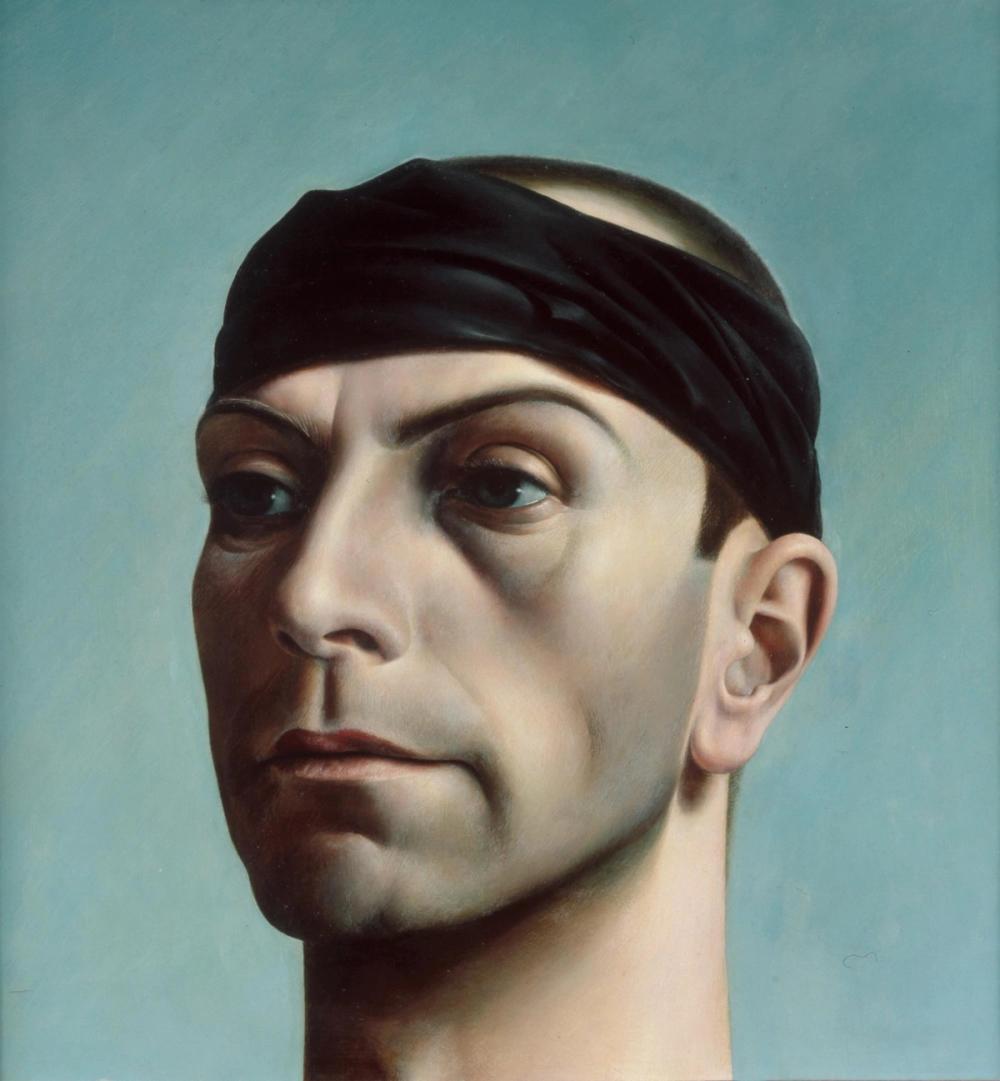
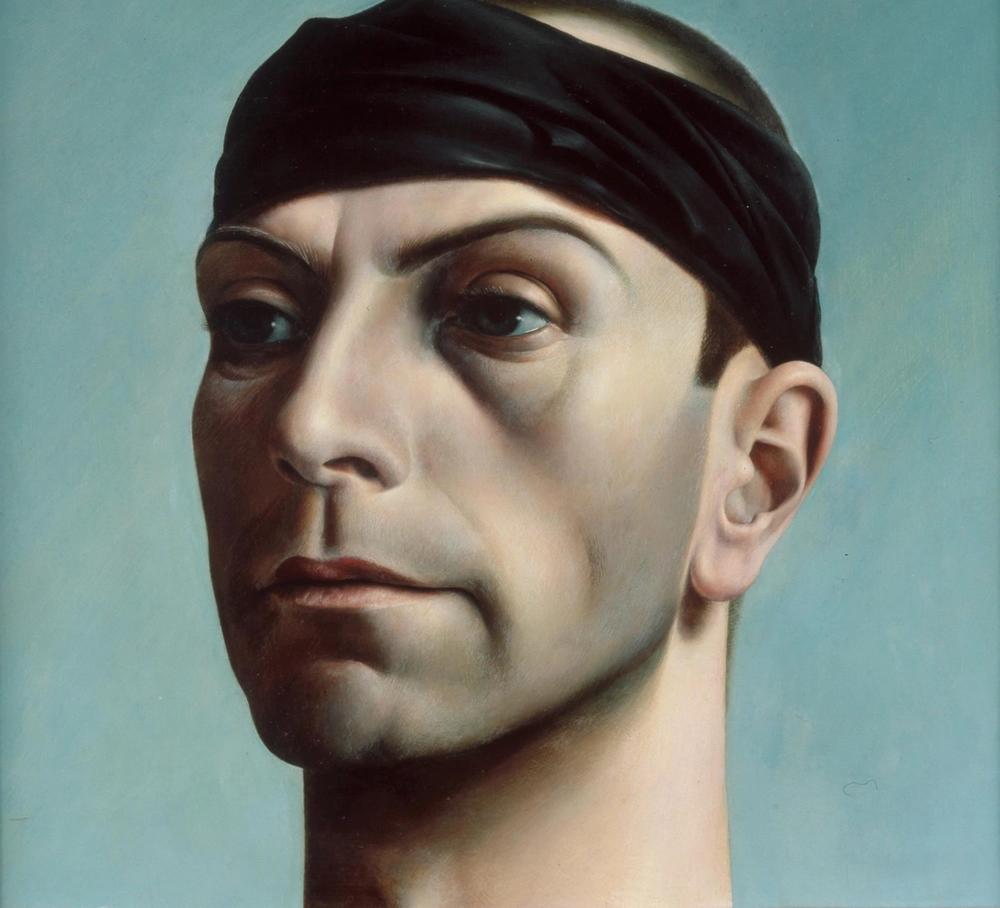
Self-portrait with Black Band by Pyke Koch shows the artist with a black cloth wrapped around his head. At the time he painted it, Koch had outspoken sympathies for fascism. In 1934, he even joined a fascist-inspired political movement called Verdinaso. When Verdinaso merged with the Dutch National Socialist Movement - NSB in 1940, Koch automatically became a member. However, he didn't care much for the Germans, and in 1941, he ended his membership.
Because of Koch's political leanings, it's not suprising that this Self-Portrait with Black Band later became seen as a symbol of fascist art. Koch himself insisted the black cloth had no symbolic meaning.
In the painting Koch stands slightly tilted, chin raised – as if he's just said something clever and is waiting for you to be impressed. The painting is incredibly precise, full of tiny details, and has a strange, unsettling atmosphere. Something feels... off.
But that's exactly why you keep looking. It's one of his standout works in the style of magical realism. Politics? Most people forget about that part. They just see a stunning piece of art.
What do you think? Does knowing an artist's political views affect how you see their work – especially if those views don't align with your own?