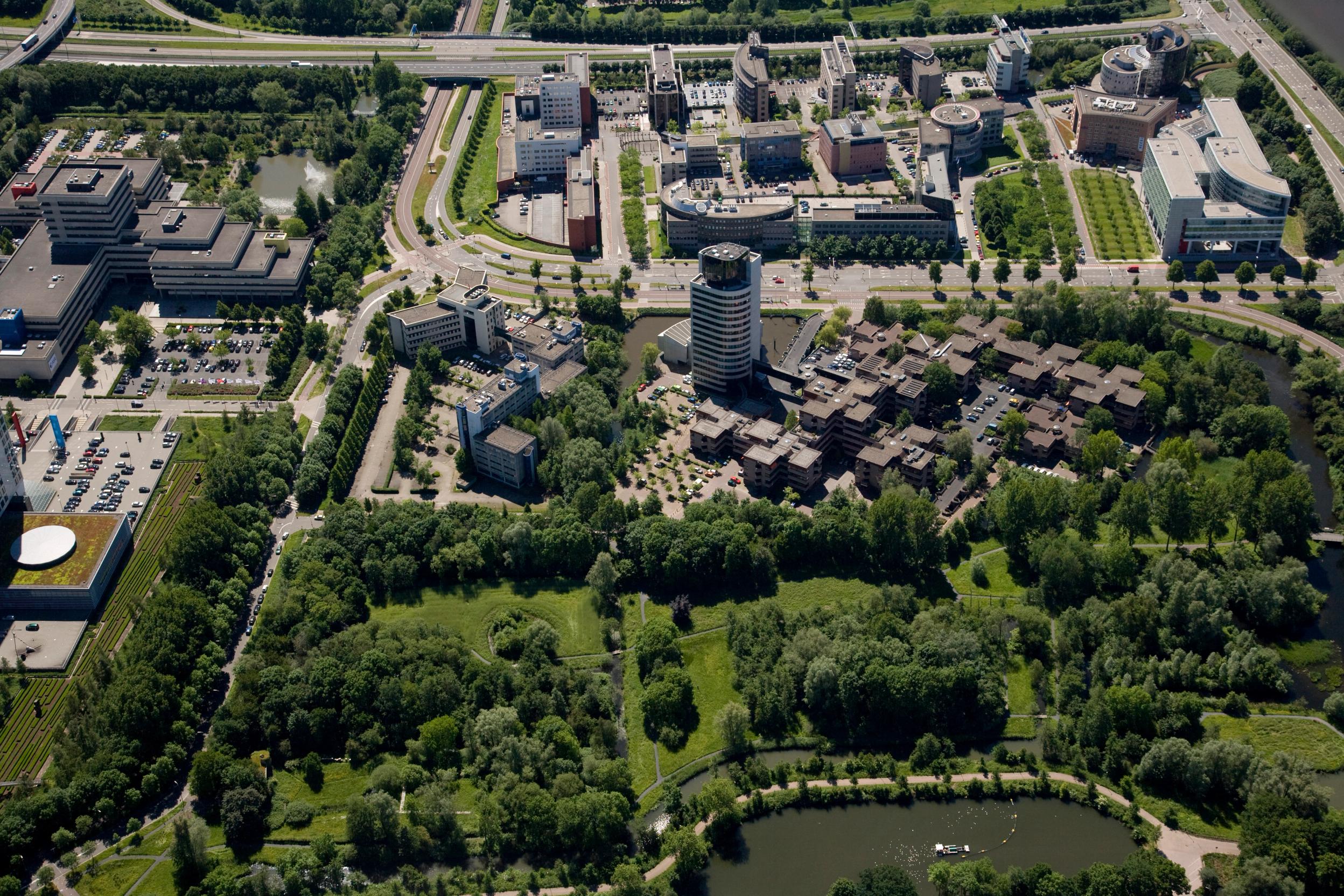
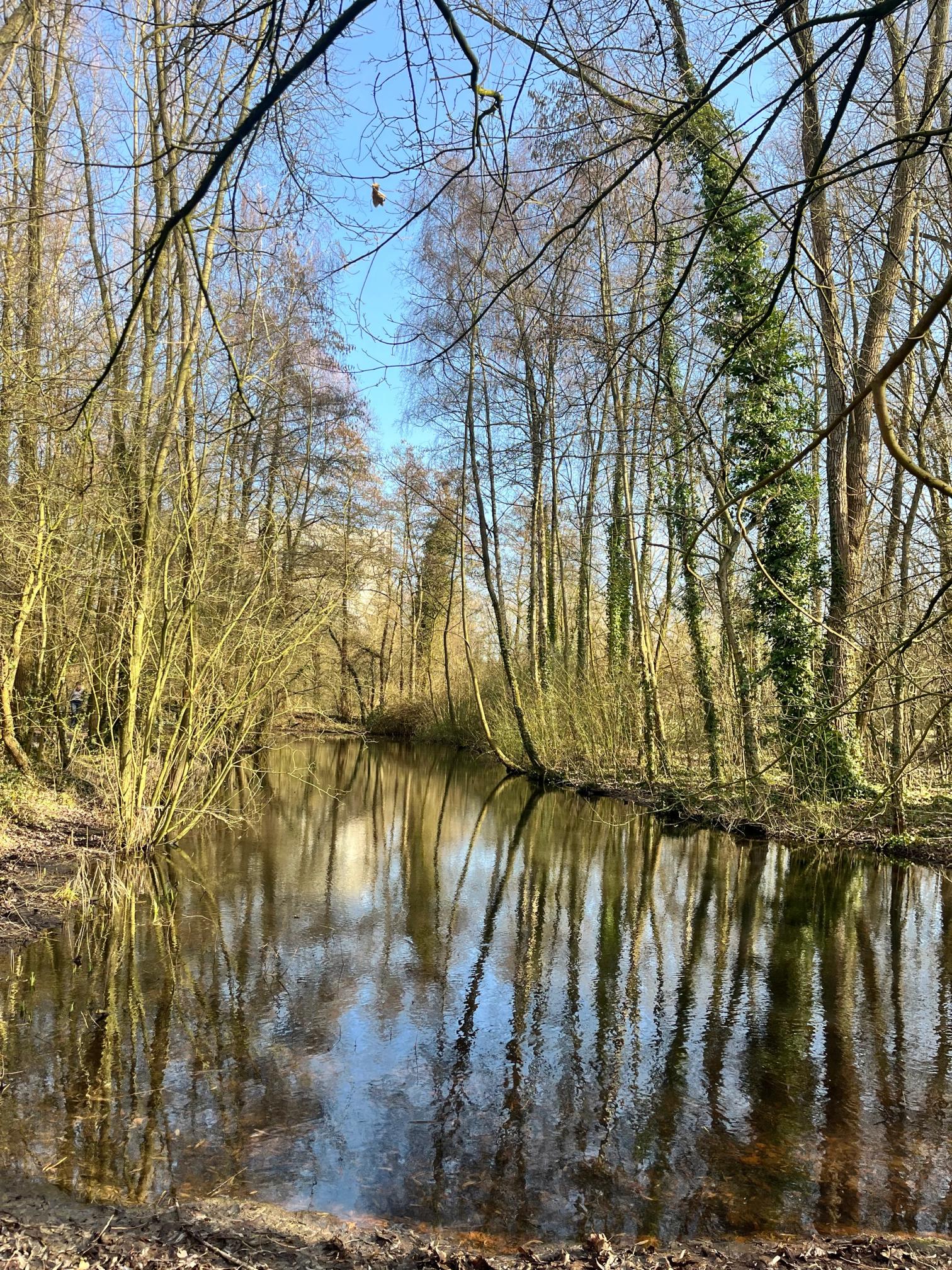
On the eastern side of Utrecht lies Bloeyendael Park, with avenues, a water lily pond and a native plant garden. The present-day park dates from the 1970s, but the history of this place began centuries earlier.

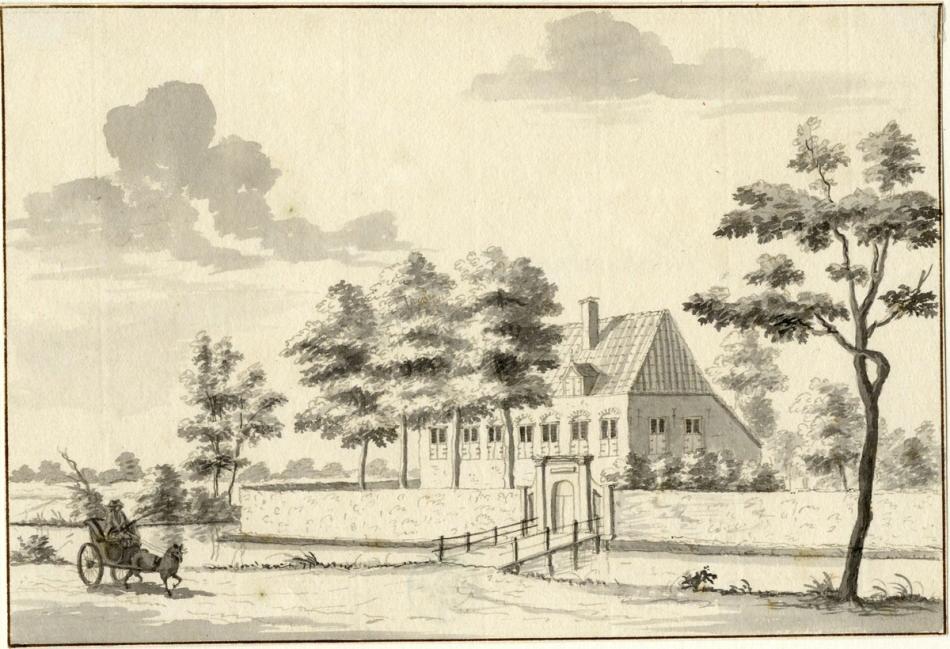
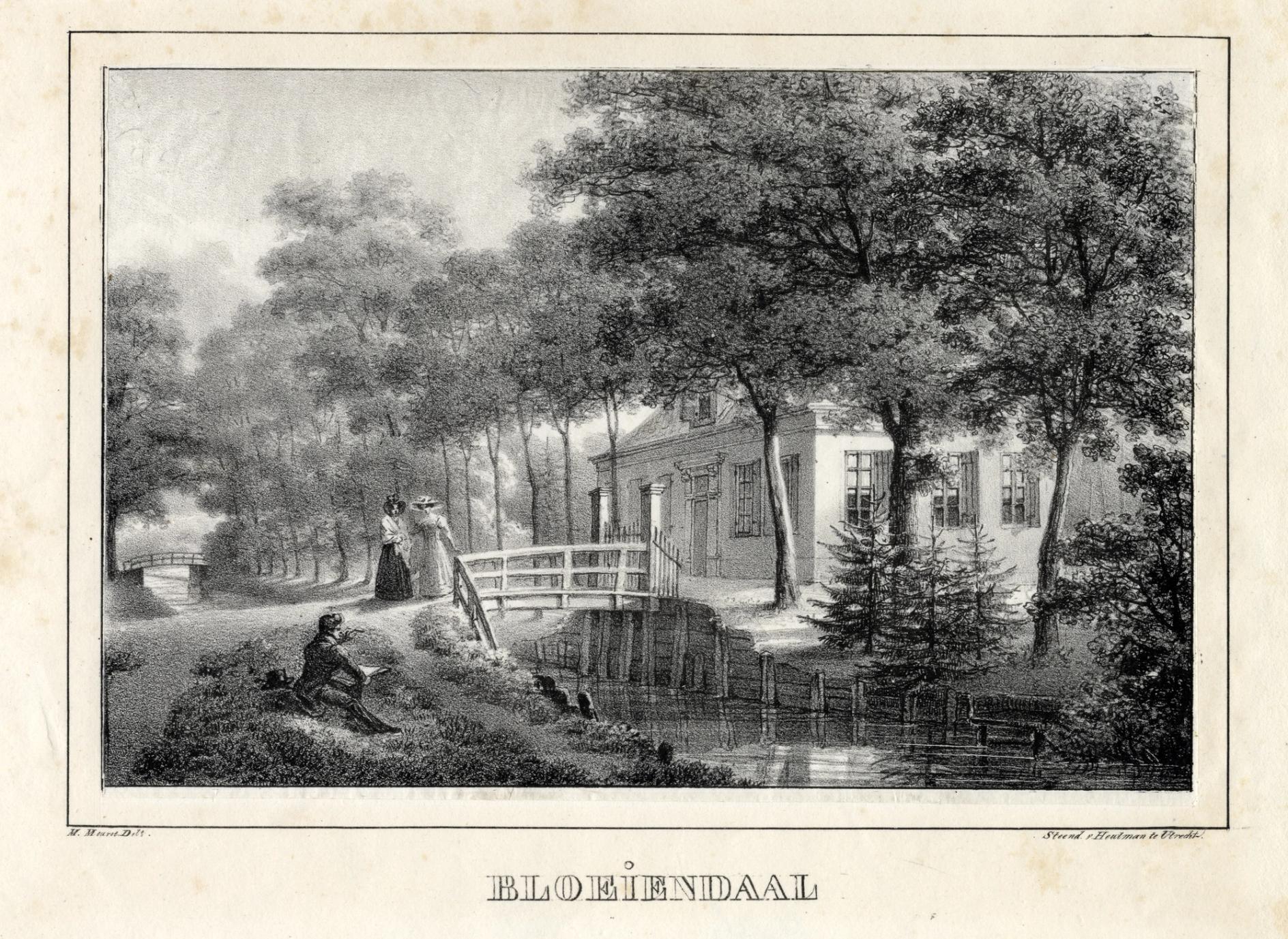
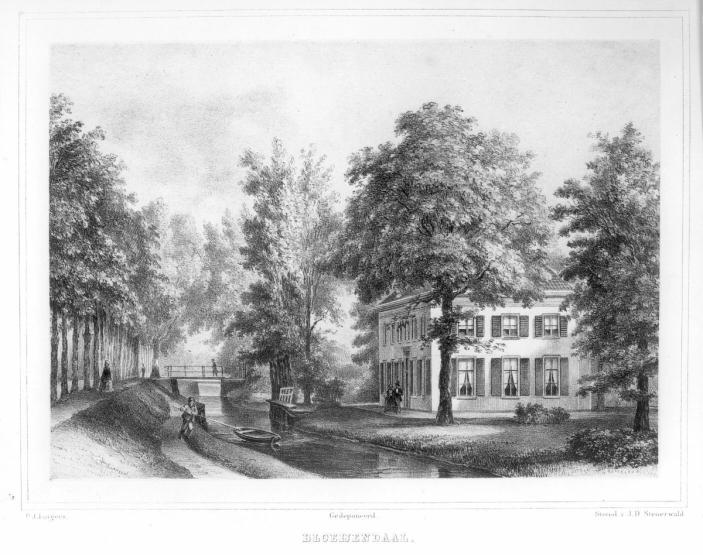
The name Bloeyendael comes from the Bloemendal Inn, which was renovated in the seventeenth century. The house was surrounded by a large garden with hedges, statues, a summerhouse and fruit trees.

In the eighteenth and nineteenth centuries, the house and garden developed into a country estate covering more than eight football pitches. At the time, the house was known as Bloeiendaal.

In 1868, the house disappears: it is demolished. The land is subsequently used by a laundry, the Bloeyendael nursery and an allotment complex.

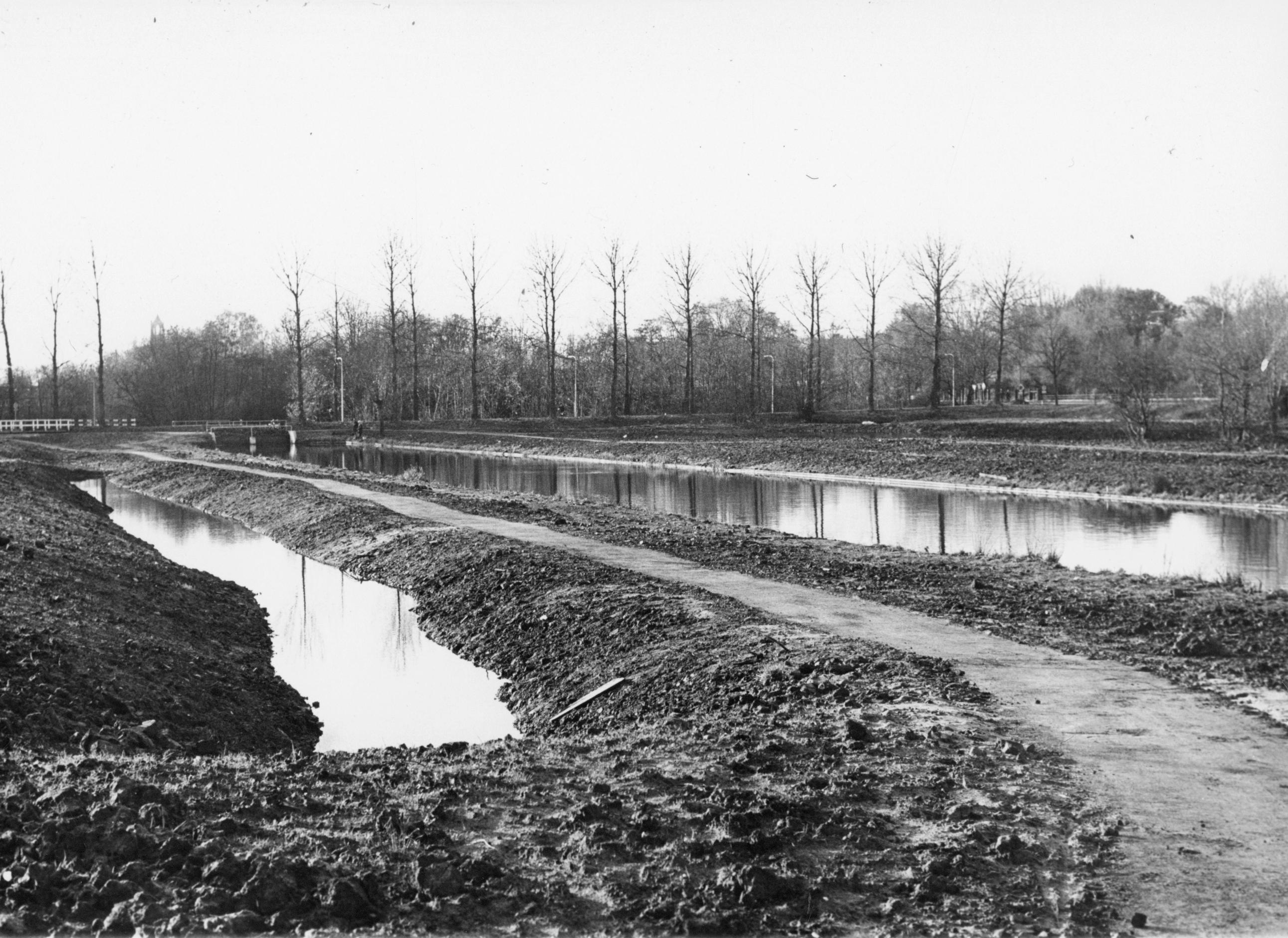
In 1975, the allotment gardens had to make way for a park. Within a year, the park was created according to a design by the municipal landscape architect, who chose to give Bloeyendaal the character of a country estate, based on the existing historic landscape features.

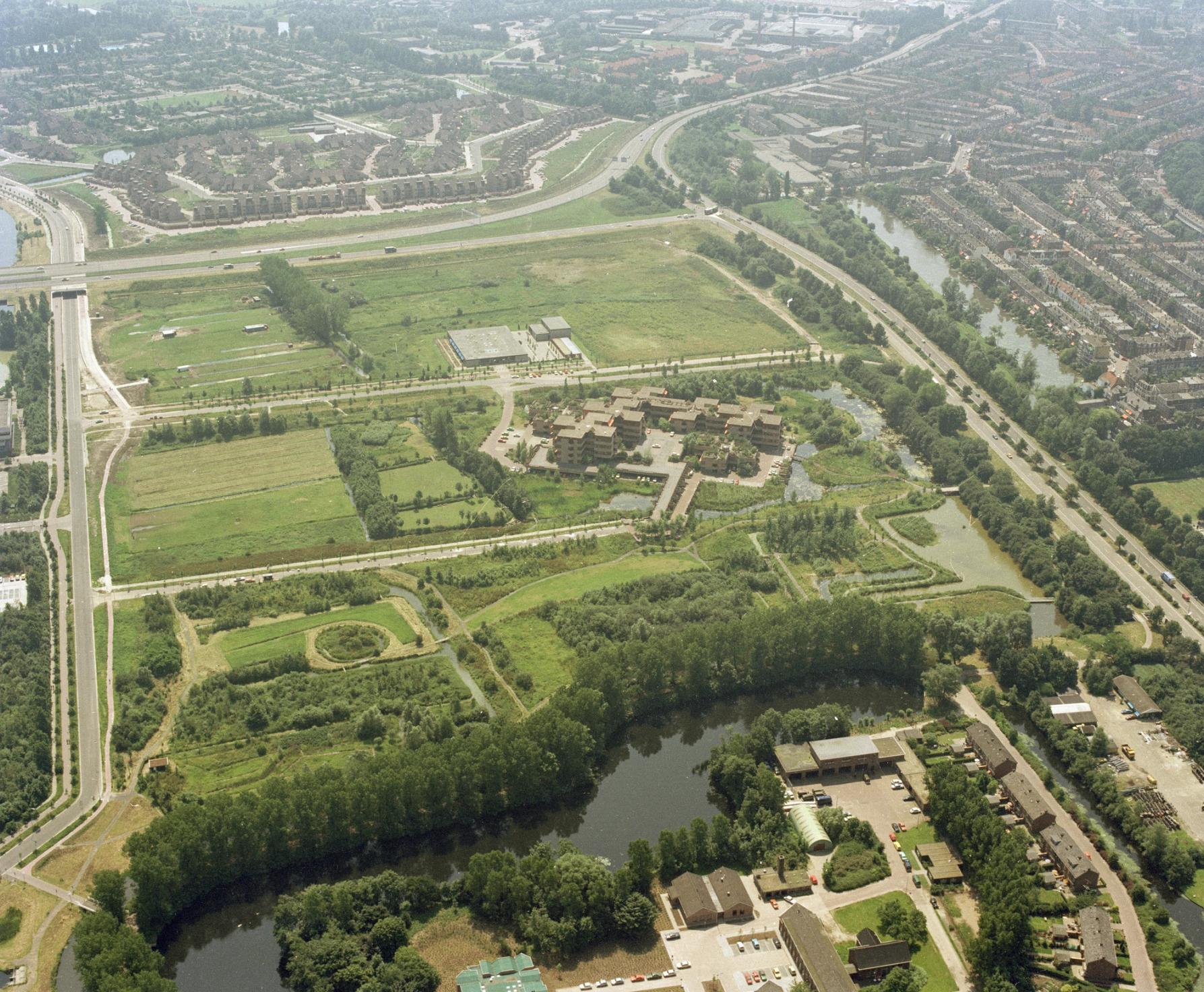
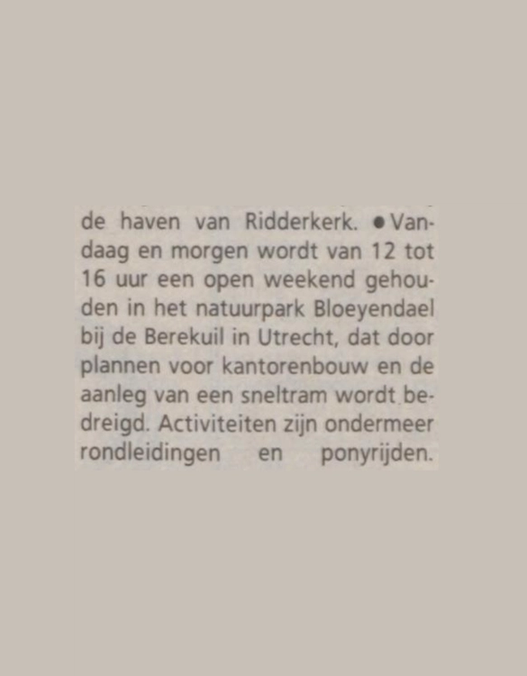
Due to cuts in maintenance, the newly established park soon fell into disrepair. In 1990, the Municipality of Utrecht therefore presented a plan: Bloeyendael was to make way for offices.

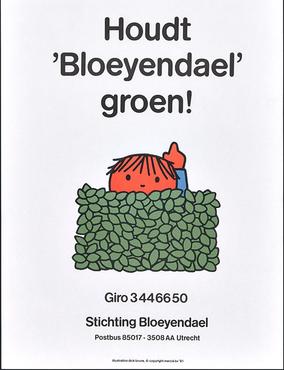
The people of Utrecht refused to accept the plan. Those involved therefore establish the Bloeyendael Foundation and launched a campaign under the slogan 'Keep Bloeyendael green'. Signatures poured in, and more and more people joined the cause.
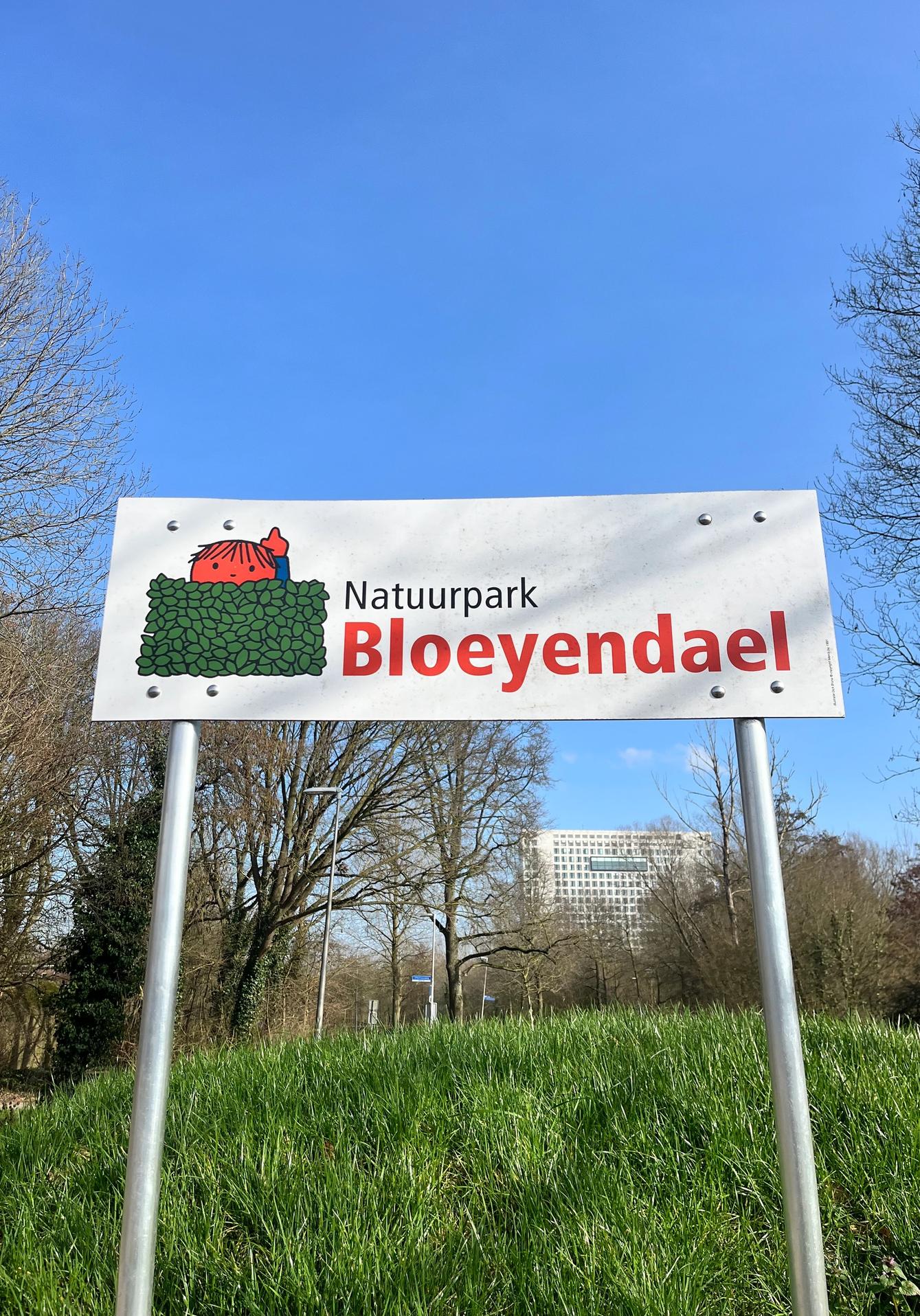
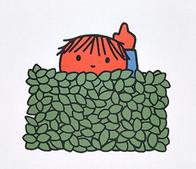
As a committed Utrecht resident, Dick Bruna designed a logo and poster, without charging a fee. A boy with his finger raises awareness for nature.

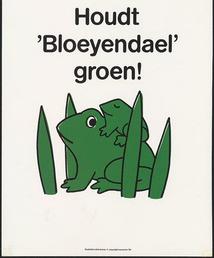
In a second design by Bruna for Bloeyendael, he depicted frogs among aquatic plants.


The protest was successful, and Bloeyendael Park was preserved. But the park did not remain free from threats. Other plans followed, and over time the park became surrounded by development.
Anyone entering Bloeyendael nature park today will still come across Bruna's logo. In this way, a design from a time of protest has become part of the park itself.