

Art X AI
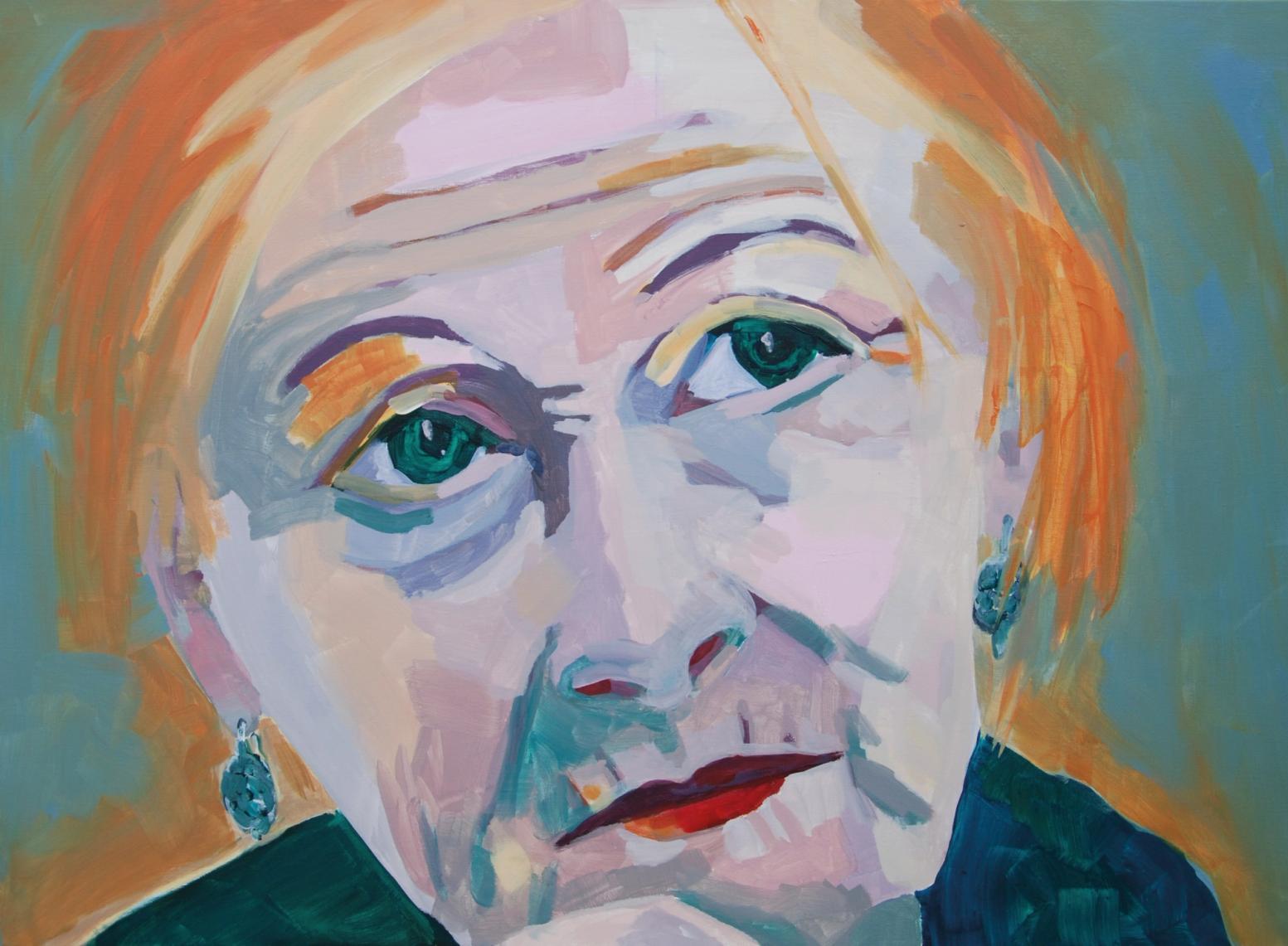
One portrait took weeks, the other just seconds—but which one will still be around in 100 years?

The art you see in museums has stood the test of time. With the rapid rise of artificial intelligence (AI), a pressing question emerges: what kind of art will we be looking at in the future?


Most of the art you see in the museum is made by hand, using materials such as paint, wood, stone or textiles. For centuries, artists have learned their craft from other artists. Each generation tried to do things differently, better or more innovatively. The power is in the human touch: you can see the time, care and choices of the artist and the patron.
But what happens when art is no longer made by human hands, but by AI? If anyone can create images in seconds, what will make art stand out?


How about tropical birds? A painting like was expensive. With a scene like this in your collection, you could show others that you’re a true citizen of the world.


Do you see the collar with bells and that shaggy head? These painted tiles with a doggy probably warned visitors: beware of the dog.
One portrait took weeks, the other just seconds—but which one will still be around in 100 years?



With AI, anyone can create new images and videos in no time. AI is often trained on existing works of art by creators who have not given their permission. But there are also artists who use AI creatively.
AI art is so new that it has few established traditions, unlike traditional art. AI art makes us reflect on originality, authorship, and what ‘real’ actually means. It also raises the question of what we should preserve for the future.


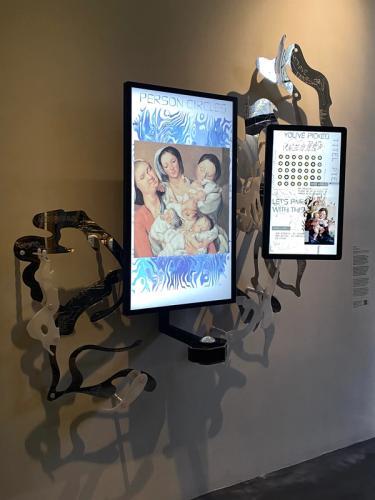
This machine by artist collective Telemagic uses AI to merge existing artworks into something new. Each new image is unique and can only be seen once.
What's your opinion? Is this a groundbreaking art machine or just 'AI slop'?
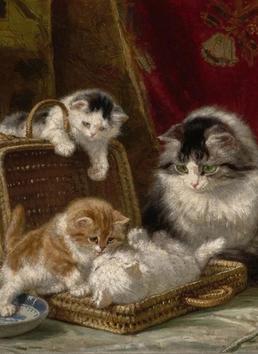
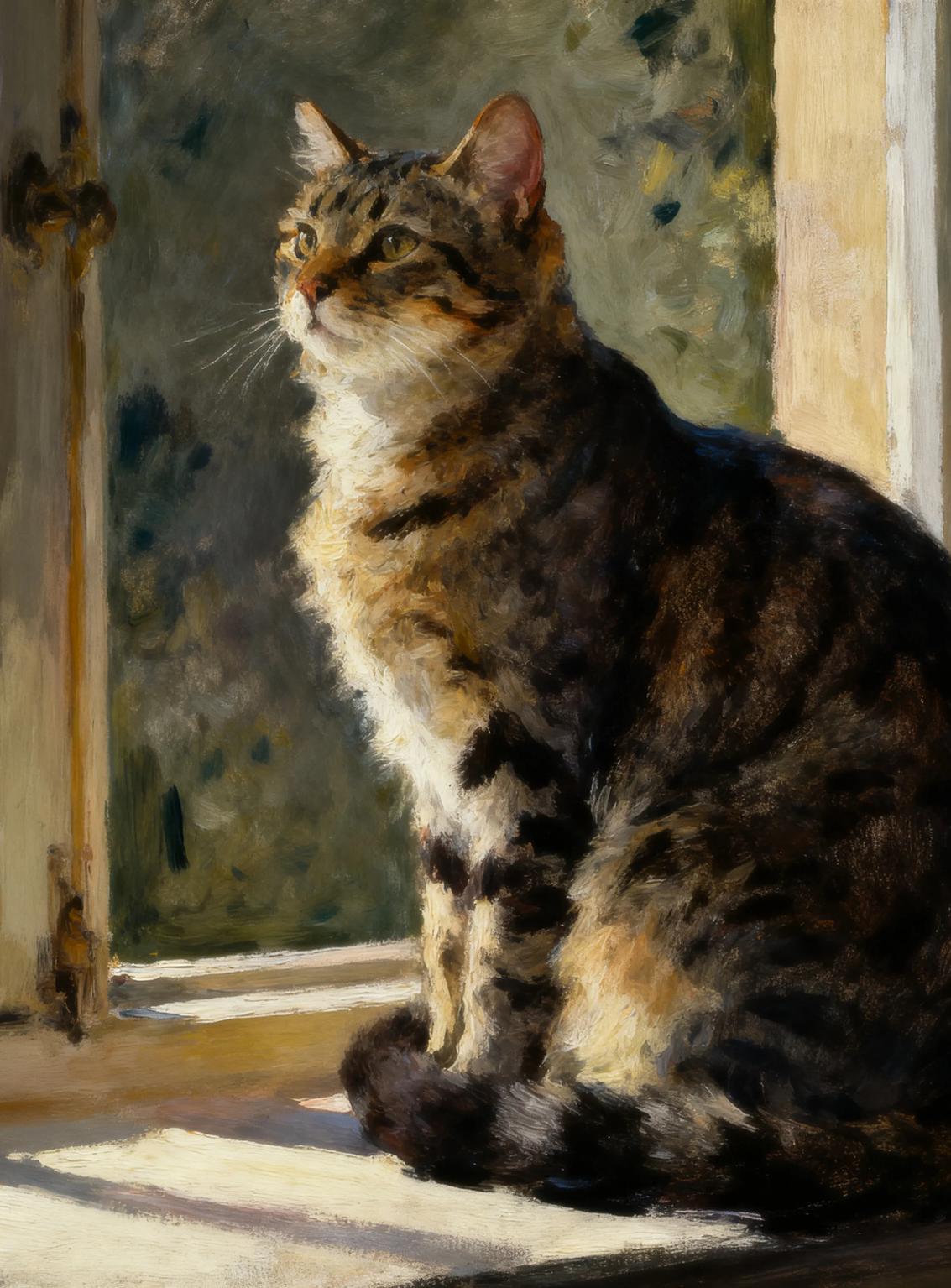
Sometimes you can barely tell the difference between art made by a human and art made by AI.

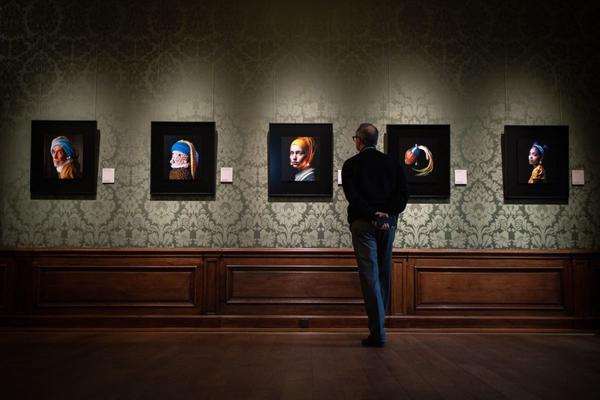
Some museums are turning AI art away. Others are actively experimenting with it. Can the acceptance of AI in museums lead to a shift in how AI-generated images are valued?
“It is interesting to see how artists use AI or, conversely, resist it. The frameworks within which it can be applied say something about how we should approach it.”