
From men's heel to women's icon
The red heel changed gender: from a male status symbol to a female sign of power and visibility.
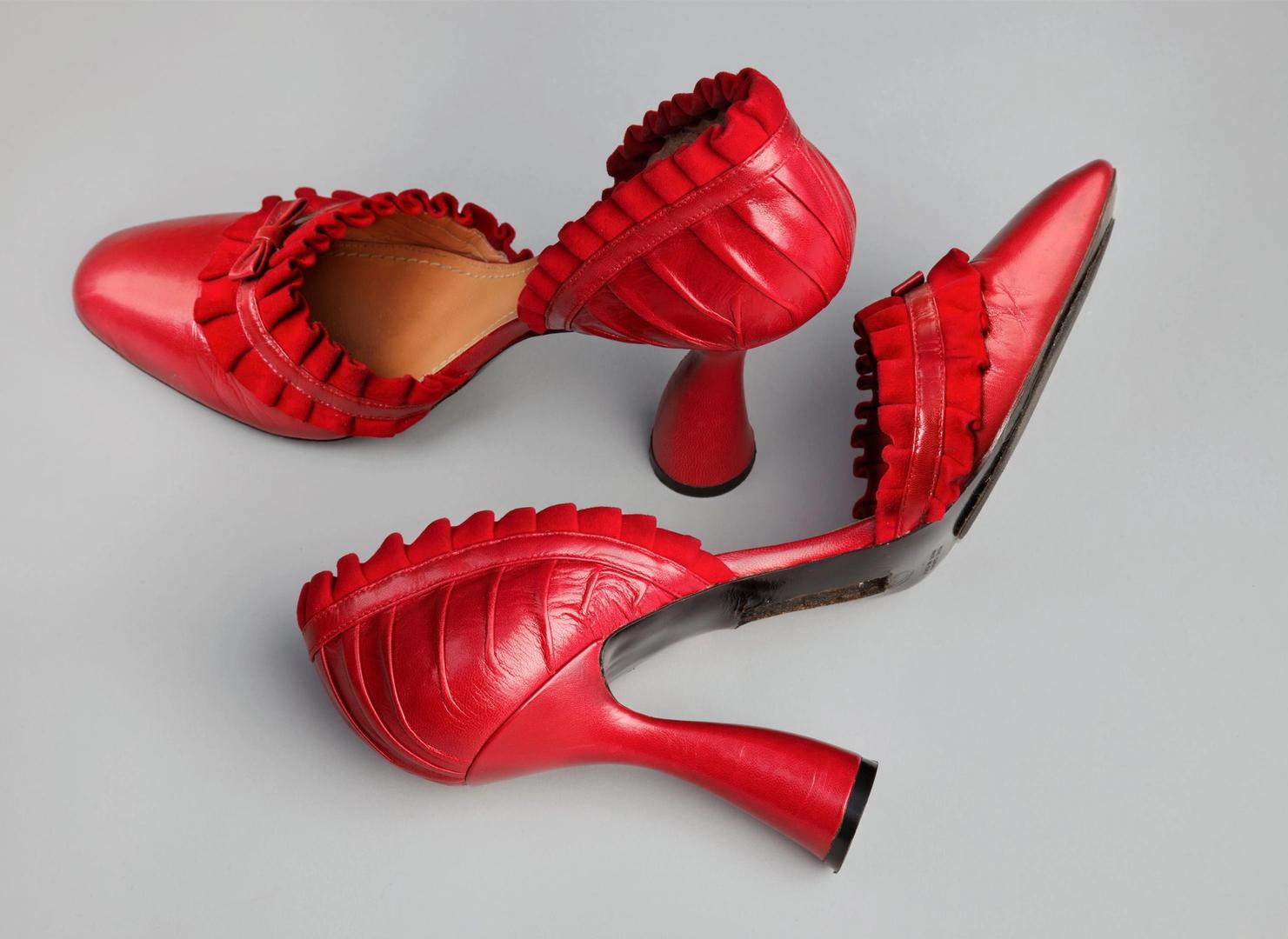
Red shoes are never just a fashion choice; they represent power, vanity, seduction and rebellion. Discover what shoes can say without uttering a word.
Red heels are more than eye-catching shoes: they carry centuries of meaning. Over time, they have moved between fairy tale and symbol of power, between seduction and resistance. Depending on the era and the wearer, they represent status, authority, fashion or desire.
Today, red heels raise questions about gender, power and visibility, and remain a powerful statement.
The red heel changed gender: from a male status symbol to a female sign of power and visibility.
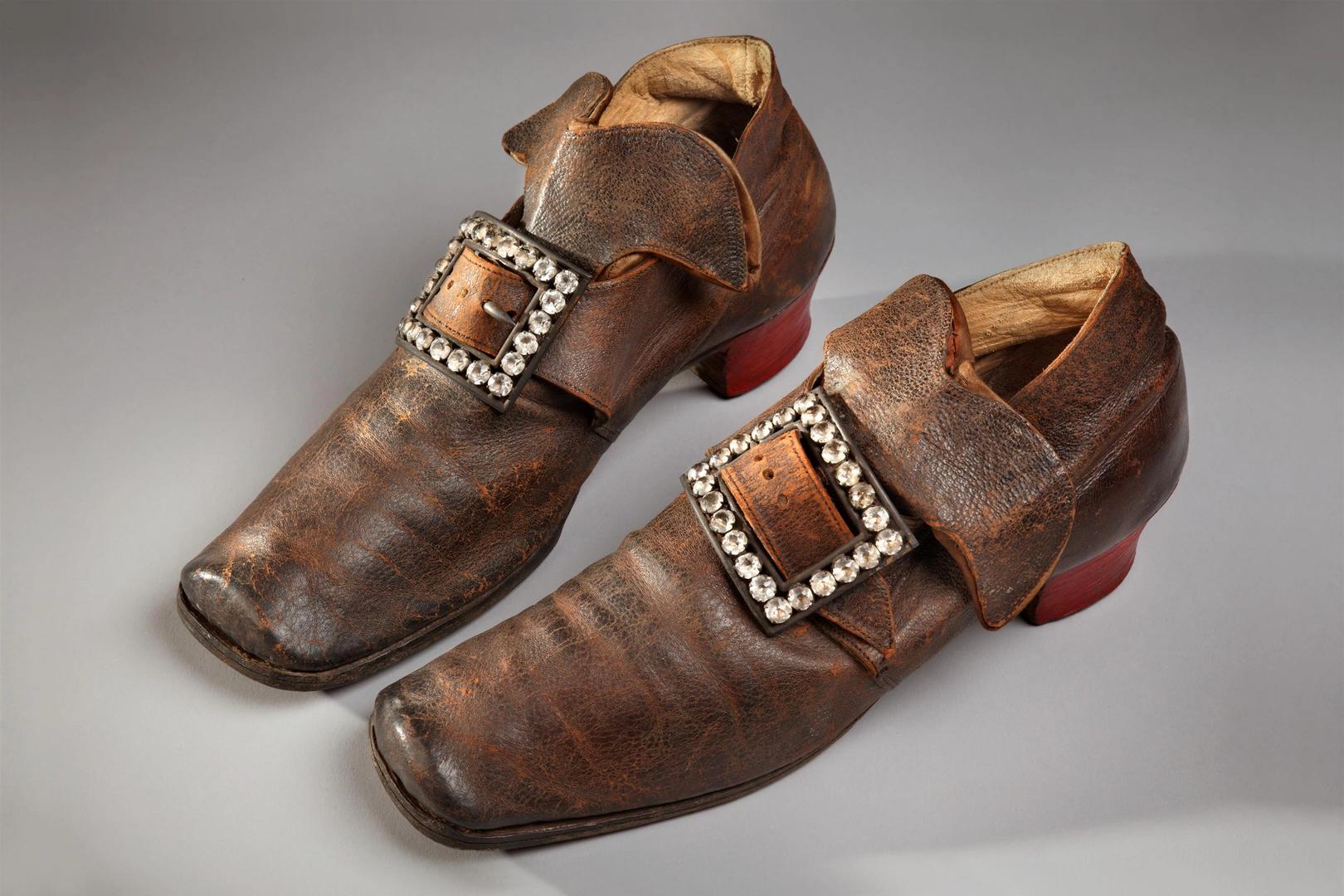
The Heel

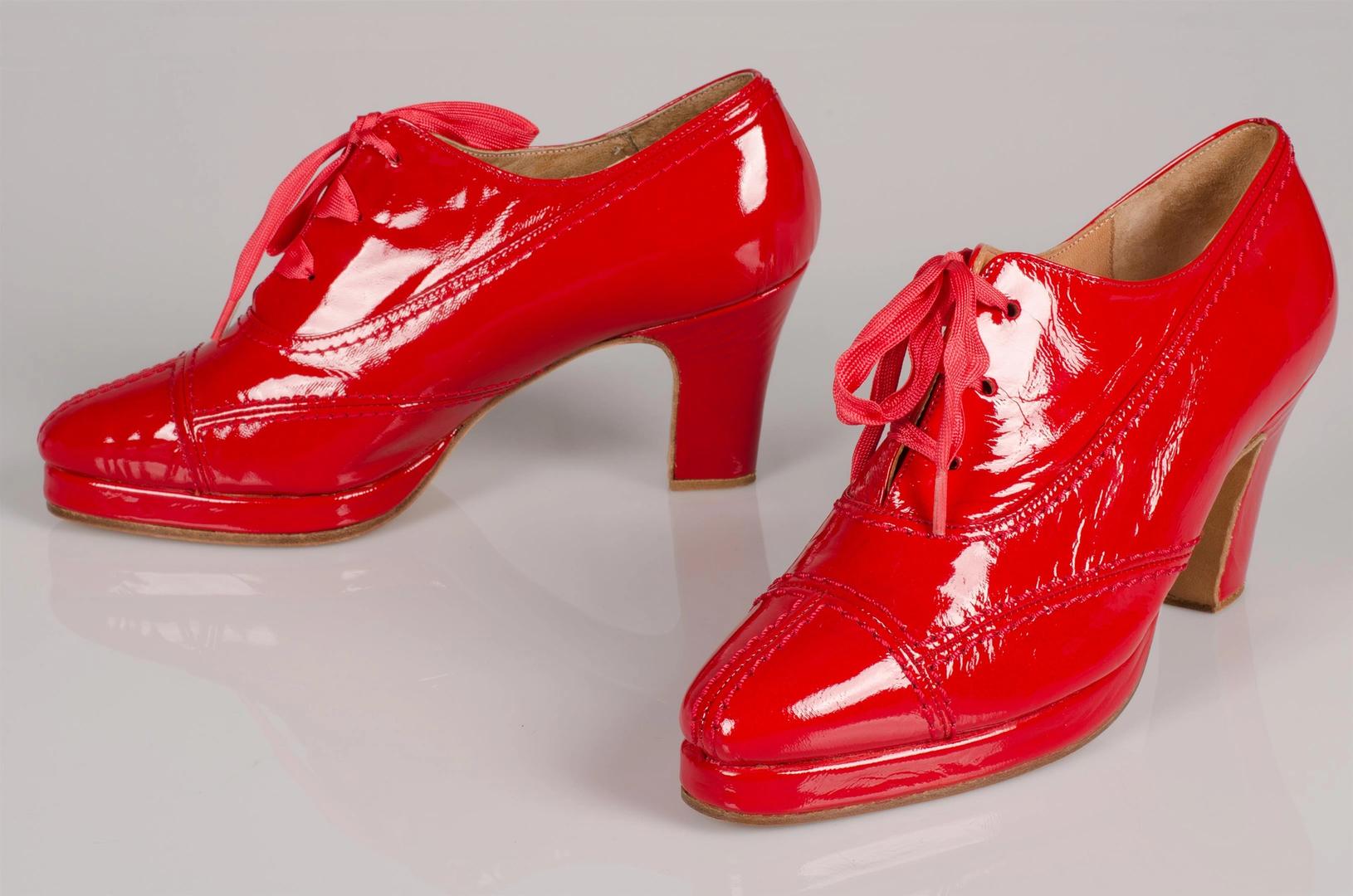
We know red heels from fairy tales, fables and horror films: from Andersen’s red shoes and The Wizard of Oz to The Red Shoes. But heels do not exist only in fantasy. Persian soldiers and Louis XIV also wore them as a sign and symbol of power. Over the centuries, heels have taken on ever-changing meanings: from a military and royal symbol to a fashion icon.
Today, red heels evoke a wide range of reactions: for some, they are a symbol of empowerment; for others, of sexism, beauty or fetishism.
Red


Powerful, seductive and full of meaning. The colour red rarely goes unnoticed. Throughout history, red footwear has symbolised power and status: from eighteenth-century men’s heels to Pope Benedict XVI’s ruby-red loafers.
Red remains an eye-catcher in fashion, too. Designers such as Christian Louboutin made the red sole world-famous, inspired by Jan Jansen’s designs. Red shoes are never just fashion, but a centuries-old statement in colour.
Protest against femicide: dozens of red high heels in Dam Square.
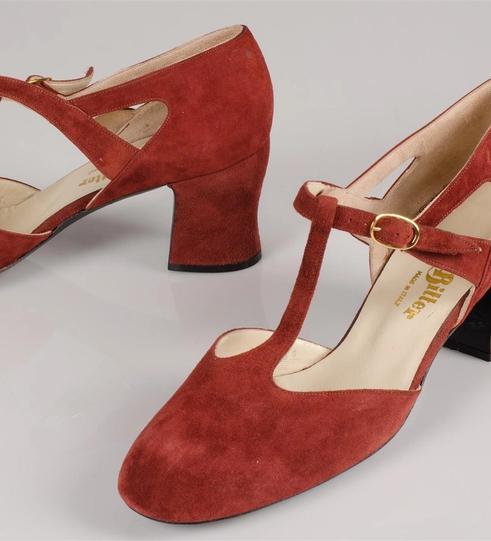
Speaking: fashion curator Ninke Bloemberg.
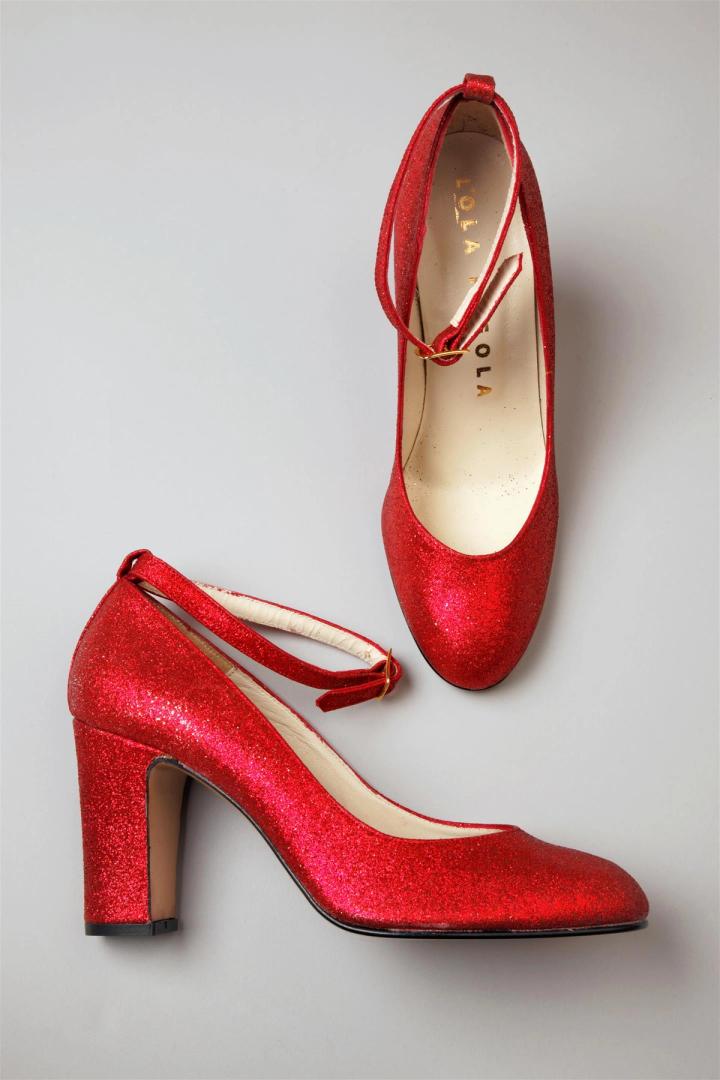
At first, these red pumps from the Centraal Museum collection may look like stylish accessories. But they have a much deeper meaning.
Red shoes have had many different meanings throughout history — from fairy tales about vanity, to seduction, and even papal power. But today, they also stand for something else: protest.
Think of the red high heels placed on public squares around the world — including Dam Square in Amsterdam — as a silent protest against femicide. This powerful idea, initiated by artist Vahit Tuna, shows how an everyday item like a pair of high heels can become a powerful message.
The red shoes displayed here weren’t on the Square themselves, but are part of that bigger story. They show how color, shape, and fashion can become a secret language of activism, memory, and the fight for freedom. These aren’t just shoes — they stand for women’s rights, visibility, and the power of symbols in fashion.


