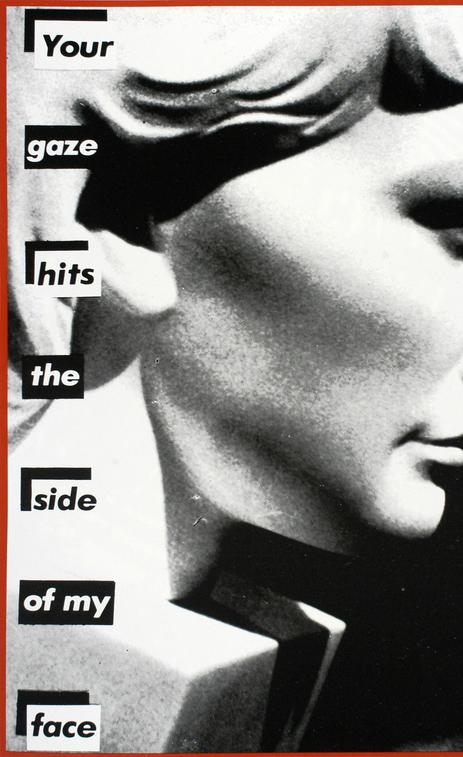



Confrontation
Test it yourself: can you feel a difference between these two cans?
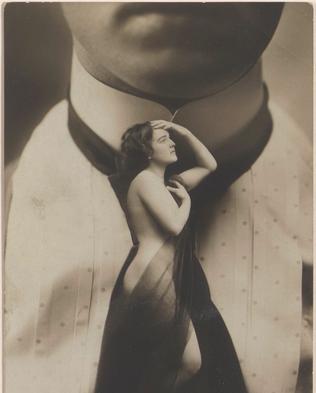
Looking at art may seem neutral. But who is actually looking, and who is being looked at? Women are often the ones being looked at, while men do the looking. And your gaze? That isn't neutral either. Why is that?
When someone looks back, you're no longer looking alone.
Does the woman in this portrait make eye contact with you, or does she avoid your gaze? Or does she seem unaware of you as a viewer altogether?
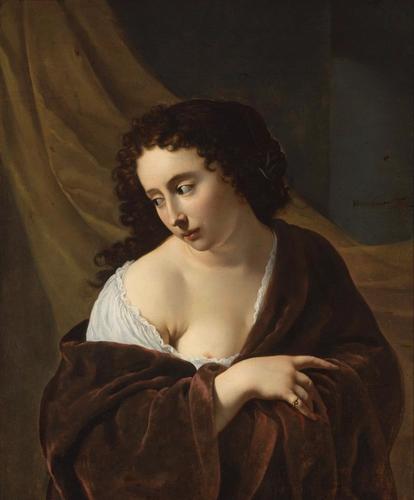


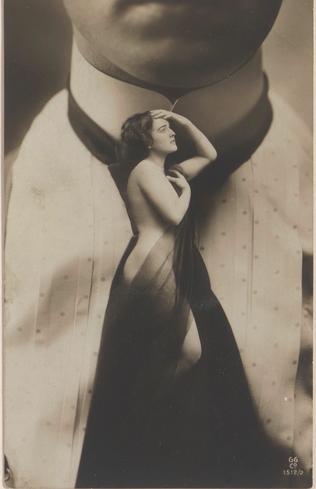
Without looking back, you can keep watching unabashedly.

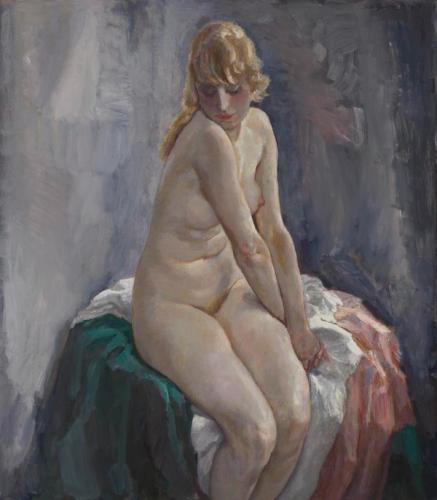
Does this woman seem passive, as if you are looking at her without her noticing? Or is she actually aware of your gaze and actively responding to it?



Looking back creates tension.


Test it yourself: can you feel a difference between these two cans?




These seductive, raw women in 'Brides of Dracula'—a painting by Marlene Dumas—reveal a less perfect side of female sexuality.
Dumas plays with the stereotype of the naked female body: not to please you, but to disrupt your expectations as a viewer.

Her women look back, confront you, and make you aware of your own gaze. She protests against the traditional male gaze and challenges it.

Artists shape not only what you see, but also how you look. They give you a specific role as a viewer.
The male gaze is about looking at an idealized female body, for example in visual art, film, and other media. Women are portrayed as beautiful, seductive, and silent, without looking back or being aware of you as an observer. This allows you to watch without shame.
If someone does look directly at you, we call this a counter gaze, in other words, an active gaze in return. This can feel confrontational to a viewer, because suddenly you become much more aware of your own gaze.
Power and control therefore determine how we look at things and reflect on them.