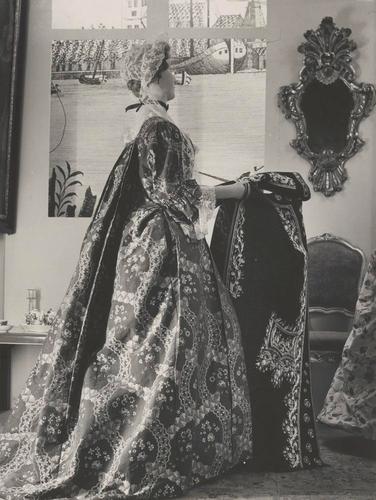
In the 17th and 18th centuries, Utrecht’s silk industry was booming. Thanks to boiled silkworms, the fashion-conscious upper classes wore jackets, dresses and suits made of soft, breathable silk.
Thousands of these creatures' cocoons were needed to produce one kilogram of silk.
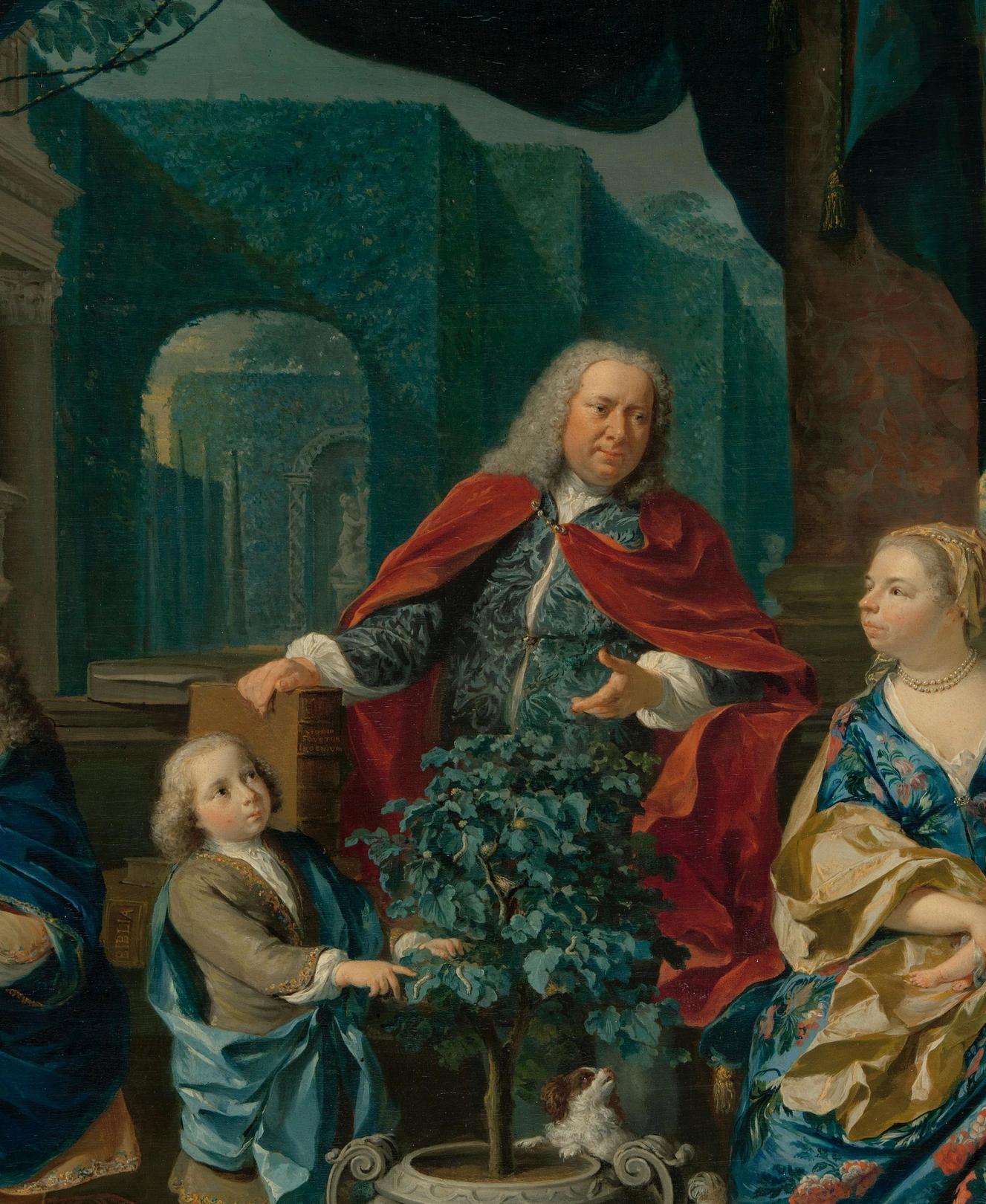
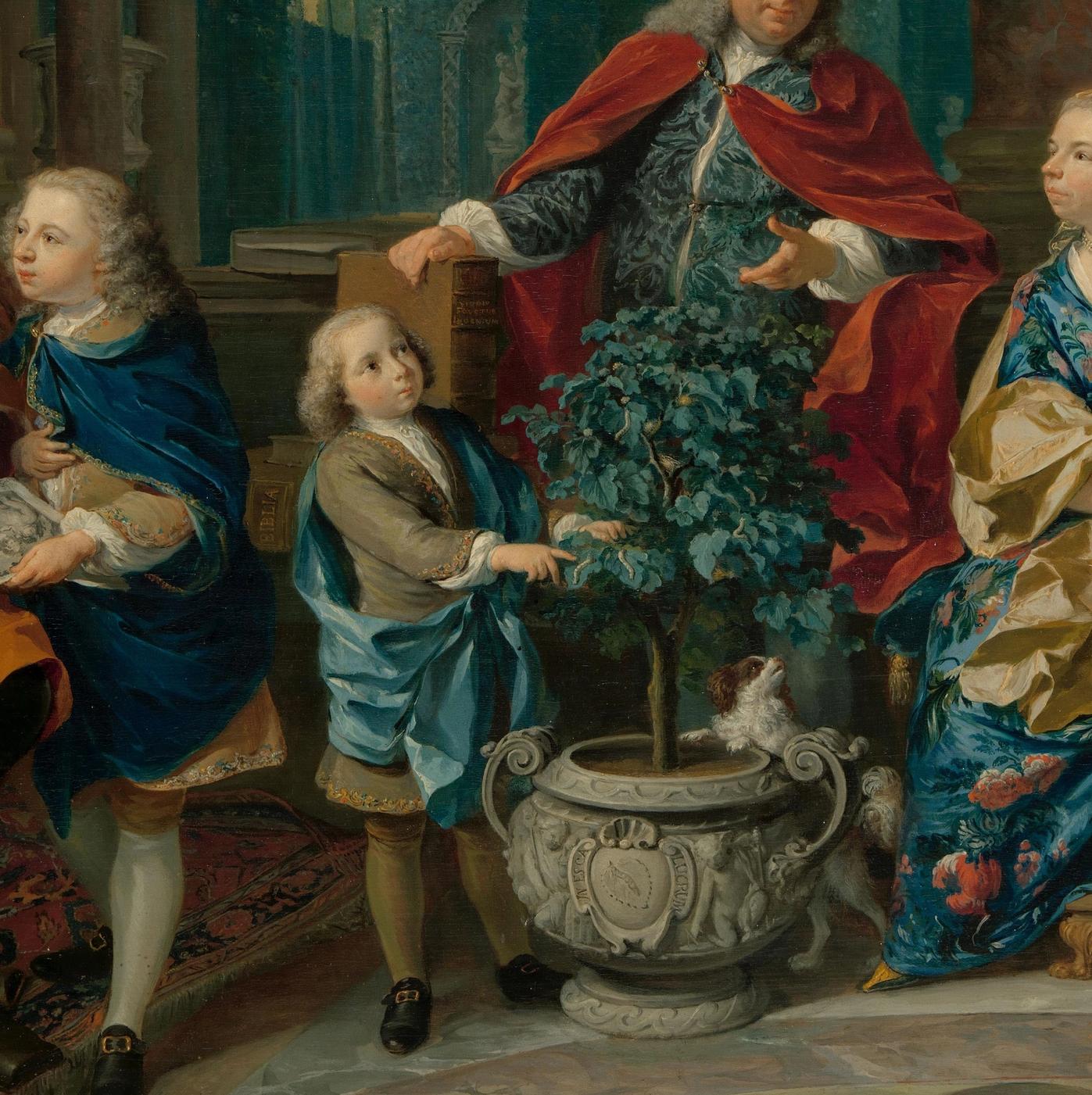
What is this boy doing here? He is pointing at a silkworm.

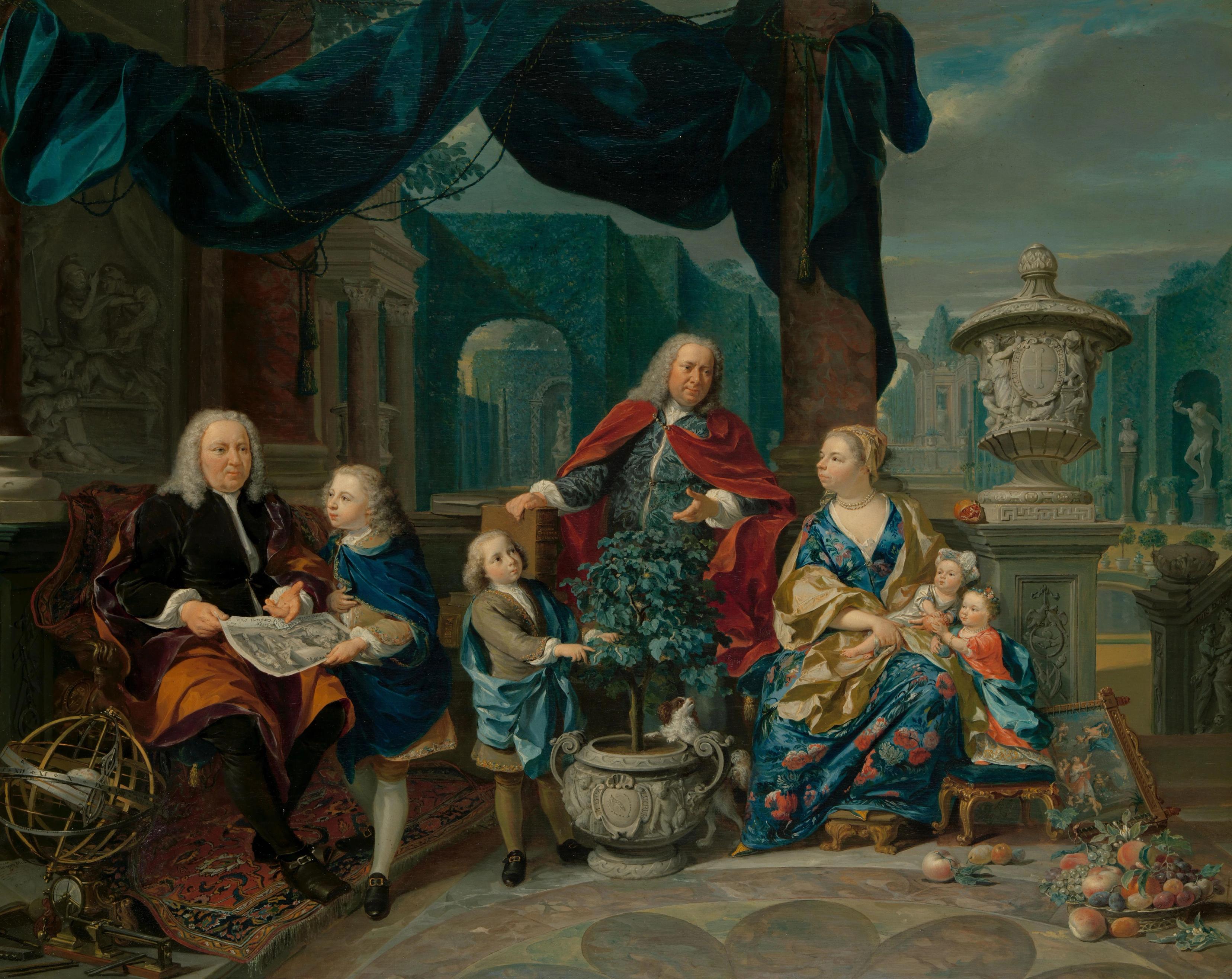
He is the grandson of David van Mollem, owner of the Utrecht silk factory Zijdebalen. The site where the factory once stood is now home to a neighborhood of the same name.


All the wealth depicted in this painting of David van Mollem’s family rested on that one animal and thousands or millions of its kind.
From the 17th century onwards, David van Mollem’s factory continued to grow. Water power and machinery made the silk thread production process increasingly efficient.

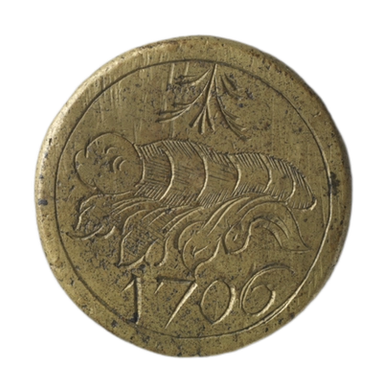
In 1706, silk is so important that Utrecht textile workers depict the silkworm on a medal— a kind of coin that shows membership of a guild. The silkworm lies peacefully on a leaf, unaware of what awaits it.
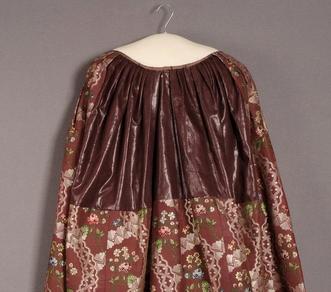
The more pleats, the more metres of silk are needed for one single garment.

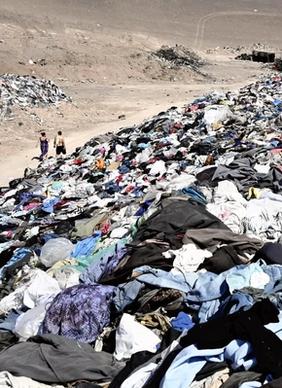
The fashion industry continues to take a heavy toll on the environment worldwide.

“Buy less, choose well, make it last”

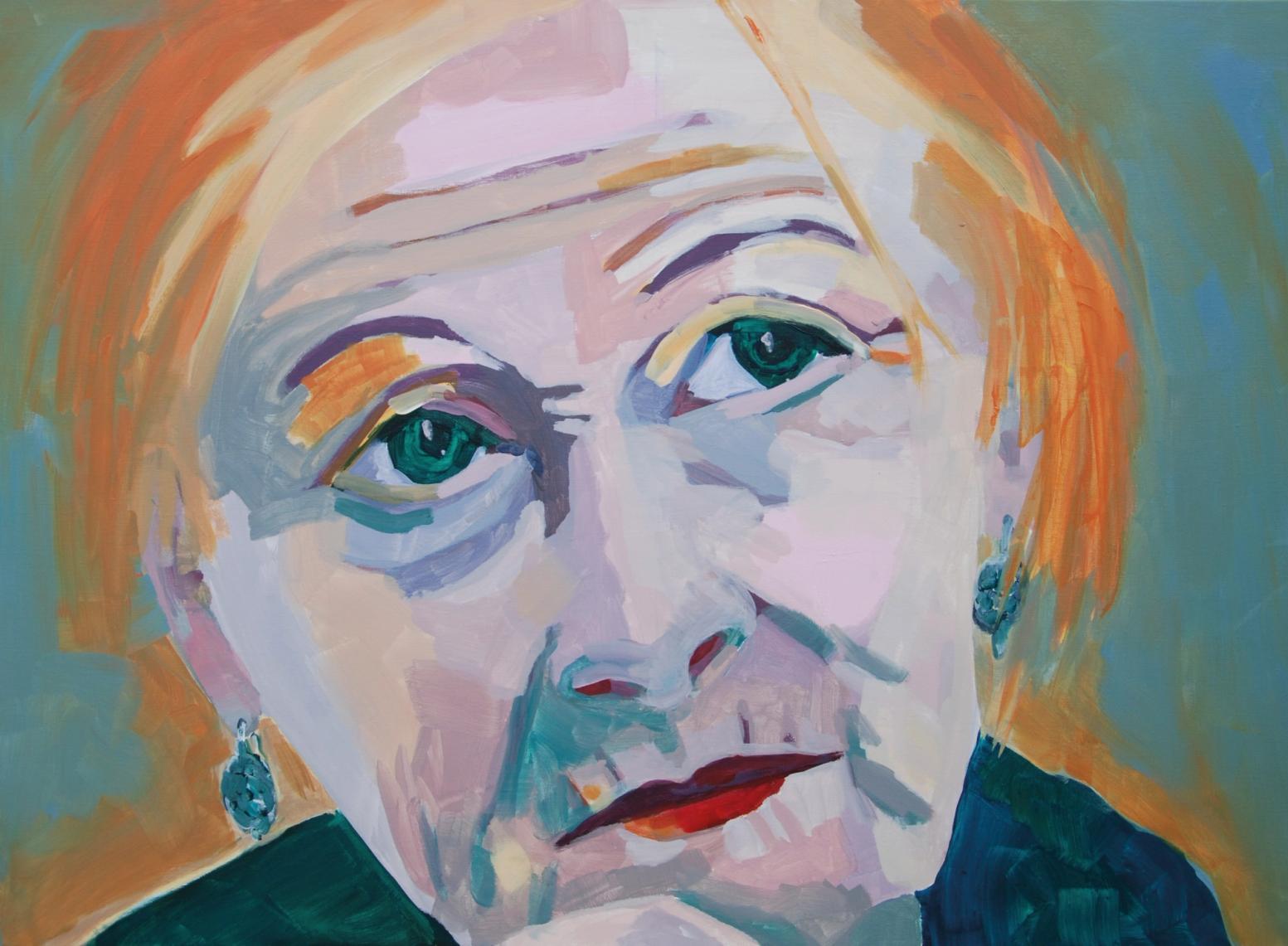
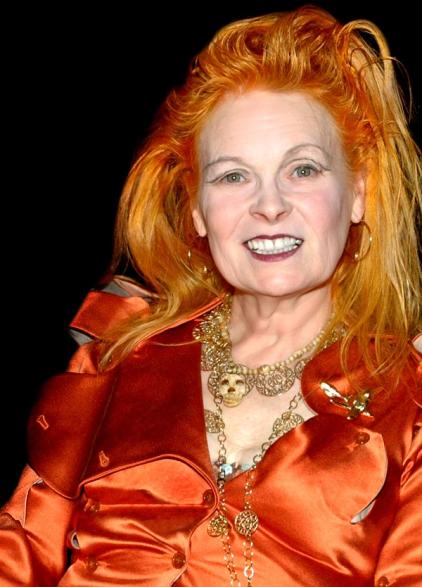
Designers like Vivienne Westwood are looking for new ways to make clothing with less impact on people and the environment.


Artist and activist Jeanpaul Paula talks about the mess the fashion industry spreads around the world.