


Tradition vs. Westwood
She drew inspiration from refined British fashion and traditional tailoring techniques, but completely threw out the rulebook.
In the 1970s and 1980s, Vivienne Westwood used her punk style to rebel against conventional fashion and traditional ideas of femininity. 50 years later, conservatism strikes back harder than ever: with the tradwife.
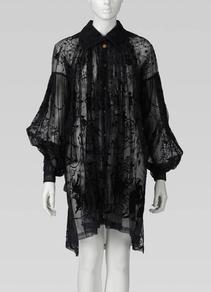
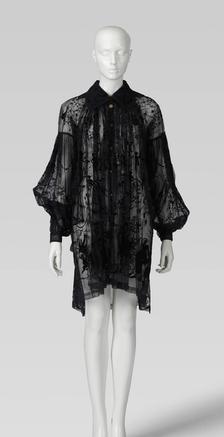
British designer Vivienne Westwood brought punk fashion into the mainstream with her revolutionary designs. Using sheer fabrics and rebellious details, she created pieces that challenged conventional notions of what was considered 'proper'.
She drew inspiration from refined British fashion and traditional tailoring techniques, but completely threw out the rulebook.
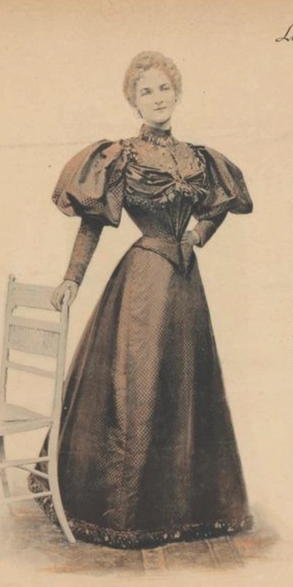
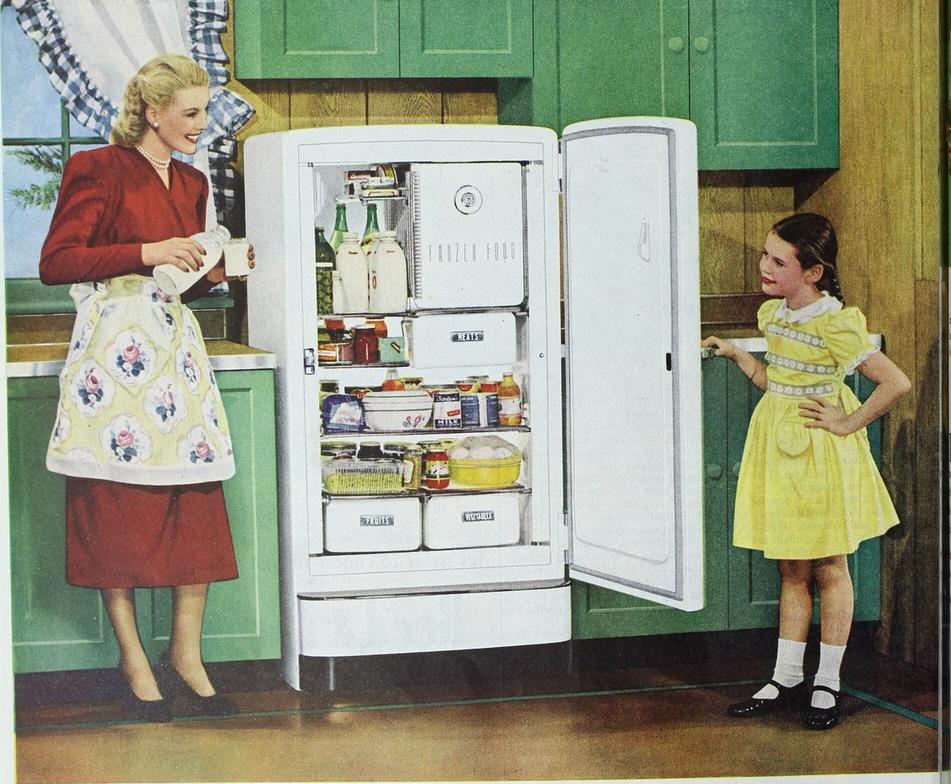
Conservatism is on the rise again, and not just in politics. In recent years, a traditional ideal has resurfaced on TikTok and Instagram: the perfect housewife. Think vintage dresses, homemade bread, and a life devoted to husband and family.
The rise of the tradwife, short for traditional housewife, marks the emergence of a new subculture, complete with its own fashion trends.
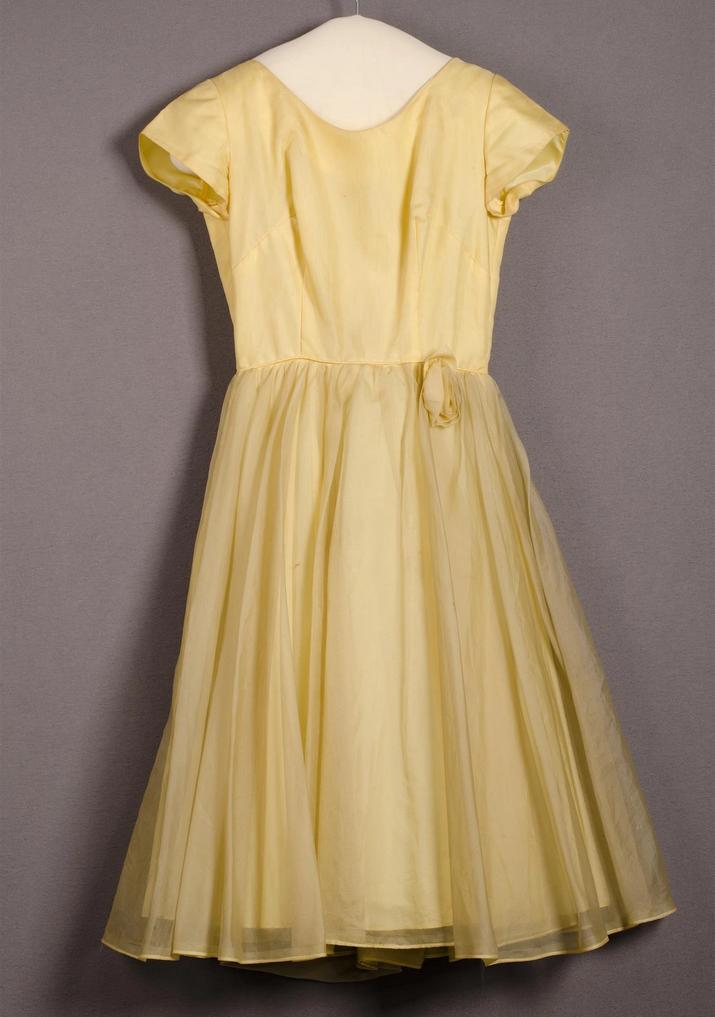
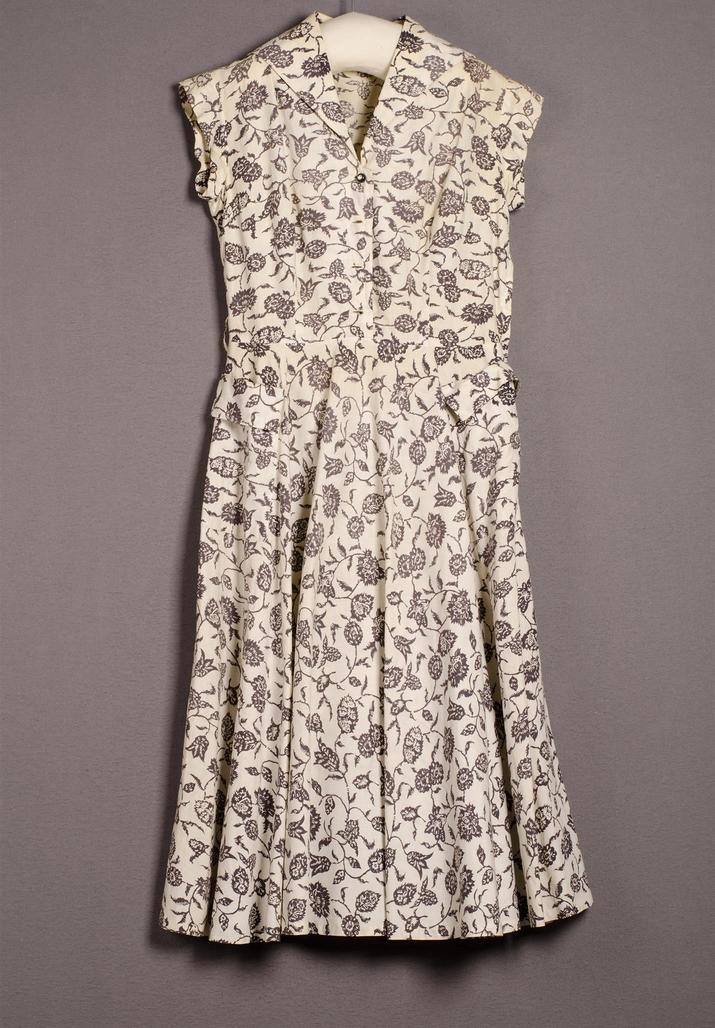
These dresses from the 1950s and 1960s align remarkably well with the image many tradwives project online.
A tradwife consciously chooses a traditional 1950s housewife role: cooking, cleaning, and caring for the children, while the man is the breadwinner.
A classic 1960s silhouette, crafted from silk and tulle.
On social media, the tradwife is evolving into a lifestyle that promotes traditional gender roles and female submissiveness.


A world apart from Vivienne Westwood’s style and outlook on life.
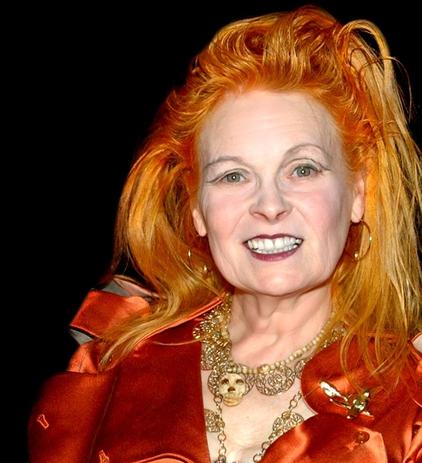
“It wasn’t that I purposely wanted to rebel, I wanted to find out why it had to be done one way and not another.”
Although inspired by the Baroque and Renaissance periods, there is nothing traditional about these designs.
Model Sarah Stockbridge wearing a version of the sheer blouse (left) and Vivienne Westwood (right), Soho, London, October 1991.


